
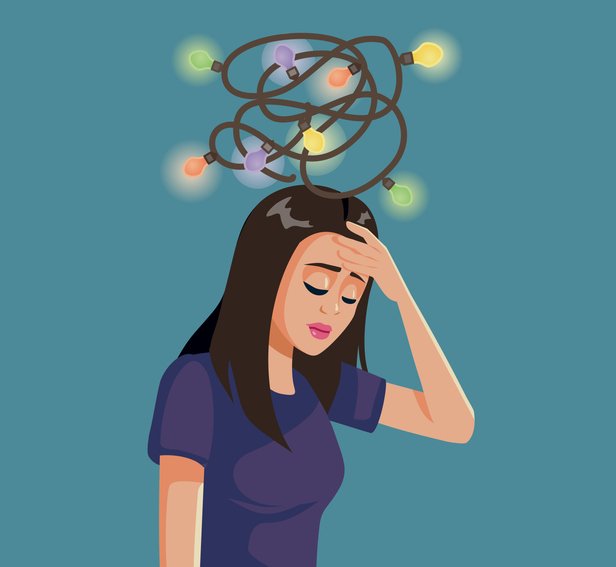
The holidays often bring joy, celebration, and special moments with loved ones. They can also bring stress, pressure, and emotional strain. For people living with a mental health challenge, including those recovering after a suicide crisis or working through suicide crisis syndrome, the holidays can feel especially difficult. It may seem like you must act cheerful even when your emotions are heavy or confusing. You might also feel pulled in many directions as family expectations rise. The good news is that there are healthy ways to navigate these moments so you can feel more supported and in control.
Strategies for Handling Family Time During the Holidays While Dealing with Mental Health Challenges
Plan for What You Can Handle
Before holiday events begin, take time to think about what you can realistically manage. This might mean choosing shorter visits, smaller gatherings, or quieter activities. Planning ahead helps you protect your energy instead of feeling overwhelmed. Try setting a limit for how long you want to be at an event. You can also decide which traditions still feel meaningful and which ones might be too stressful this year. Prioritizing your mental health is important, and it’s okay to adjust your usual routine to take care of yourself.
Set Clear Boundaries with Loved Ones
Family members often want to help, but they may not always understand what you are going through. Setting boundaries gives you room to breathe. You can let people know if certain topics are difficult for you or if you need breaks during long visits. Boundaries are not barriers, but guides that help others support you in the way you actually need.
Create a Personal Coping Plan
Having a plan can help you stay grounded if something upsetting happens. Your plan might include calming activities like deep breathing, going for a short walk, or talking with someone you trust. You may also have skills you learned in treatment that help interrupt intense thoughts or feelings. Think about (and plan for) these coping mechanisms in advance so that if things become stressful, you will already know what steps to take to steady yourself.
Check In With Your Support Team
If you are in treatment or recently completed treatment, your support team is an important resource. Before the holidays begin, talk with them about possible triggers or challenges. They can help you build strategies for managing family interactions or moments when emotions feel too strong. Many treatment centers, like the Galynker Family Center for Suicide Prevention, also offer ways to stay connected during breaks or holidays. Know who you can reach out to and how to contact them.
Use Breaks and Quiet Spaces
Holiday gatherings can be loud and busy. Sometimes, the best way to stay balanced is to step away for a few minutes. You can go to a quiet room, sit outside for fresh air, or listen to calming music. These small breaks allow your mind and body to reset and prevent overload.
Be Honest with Yourself
You might feel pressure to appear cheerful or “fine.” Try to be honest with yourself instead. Notice if you start feeling tense or upset. Recognizing your feelings early can keep the situation from becoming too intense and helps you choose what you need at any particular moment.
Remember That You Are Not Alone
Many people struggle with mental health challenges during the holidays, and you are definitely not alone. Paying attention to how you feel and creating a plan if you start feeling uncomfortable can help you navigate all kinds of common scenarios that arise during holiday family time.
Don’t hesitate to reach out for help if you need it. If you ever feel unsafe or experience a return of suicidal thoughts, contact the Galynker Family Center for Suicide Crisis or the 988 crisis hotline right away. Support is always available.