
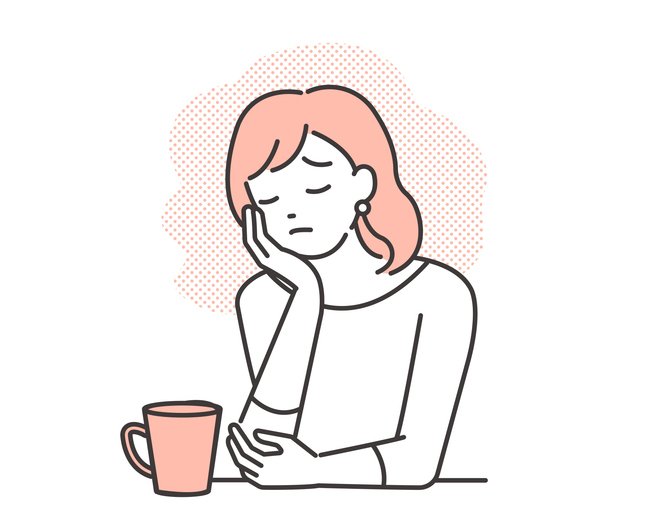
As autumn arrives and daylight fades earlier each evening, many people notice changes in their mood and energy. Feeling more tired, sad, or withdrawn during this time is common. For some, these changes are mild. For others, they may become stronger and lead to what is known as seasonal affective disorder (SAD) or seasonal depression.
SAD is a type of depression that often appears in the fall and winter months when sunlight is limited. It can cause sadness, hopelessness, or a loss of interest in daily life. Understanding how the season affects you, and knowing when to ask for help, can make a real difference in staying safe and well.
Notice Early Signs of Seasonal Depression
If you start feeling more tired, have a hard time getting up in the morning, or notice changes in your appetite, they could be signs of seasonal depression. Changes in sleep, appetite, and energy are common with SAD. You might feel less motivated to see friends or to participate in activities you used to enjoy. Paying attention to these signs can help you take action early. Keeping a simple journal of your mood and energy levels can help you see patterns and share useful information with a counselor or healthcare provider.
Bring Light Into Your Day
Sunlight helps regulate mood and sleep, so it can be helpful to make the most of the shorter sunlight hours during these darker months. Try to spend time outside soon after waking up, even on cloudy days. A short walk or a few minutes sitting near a window can boost your mood. Some people find that using a light therapy box, under the guidance of a healthcare professional, helps to feel more energized.
Stay Active and Connected
Physical activity and social contact both support mental health. Simple movement activities like stretching, walking, or even small chores can release chemicals in your brain that improve your mood. Staying in touch with family or friends can also make a big difference. Calling a friend or family member, visiting a loved one, or going on a date night can remind you that you are not alone and make you feel more emotionally connected to others.
Build Small, Steady Routines
Shorter days can disrupt normal sleep and eating patterns. Setting a regular schedule for meals, rest, and activity can help you feel more balanced. Include relaxing habits like reading, journaling, or spending quiet time outdoors. Predictable routines can make daily life feel calmer and more manageable.
Know When to Reach Out for Help for Seasonal Depression
If feelings of sadness or hopelessness continue for more than two weeks, or if you begin to feel that life is not worth living, it is time to seek help. Depression, including seasonal depression, is treatable. Talking with a mental health professional can help you find relief and learn new coping skills. If you ever begin thinking about suicide, please reach out right away. You can contact our center, or call or text 988 to reach the Suicide and Crisis Lifeline. Support is available every hour of the day, and you are never alone.
At the Galynker Family Center for Suicide Prevention, we are dedicated to helping individuals and families through moments of crisis and recovery. Our team provides compassionate, evidence-based care for those struggling with suicidal thoughts or emotional pain, including identifying those experiencing suicide crisis who may not be able to express the extent of their pain. We believe that healing begins with connection, understanding, and hope. If you or someone you love is in crisis, please reach out. You do not have to face this season or these feelings alone.